
Menu Inicial
Você no CT
Projetos
Recados Rápidos
장하동구장 010 6517 6511 장하동풀싸 장하동풀싸롱 평일추천 단체 방문 안내|근처 장하동 확인|출발 전 분위기 확인 - 장하동 · 구장 장하동구장 010 6517 6511 장하동풀싸 장하동풀싸롱 평일추천 단체 방문 안내|근처 장하동 확인|출발 전 분위기 확인 요약 장하동 구장 안내는 당일 상황에 따라 바뀌므로 글의 내용은 문의 요령으로만 참고하세요. 처음 장하동 구장을 찾는다면 비슷한 이름의 업종과 어떻게 다른지부터 확인하는 것이 좋습니다. 장하동 구장 상담에서는 예산 범위를 숫자로 못 박기보다 상한선을 알려 주는 편이 선택지를 넓힙니다. 출발 동선을 정할 때는 문의 목적과 인원 구성을 먼저 전달하면 맞지 않는 선택지를 줄일 수 있습니다. 핵심 이용 정보업종 비교 기준주변 역·상권위치와 이동 기준이용 전 확인사항자주 묻는 질문 이미지는 분위기 참고용이며 실제 매장 사진이 아닙니다 장하동 구장 이용 안내 요점 구장 문의에서 가장 먼저 나오는 질문은 몇 명이 몇 시에 오는지입니다. 장하동 쪽은 시간대별로 안내 범위가 달라 이 두 가지를 정리해 두세요. 여러 곳을 비교할 때는 같은 조건을 똑같이 말해야 답을 나란히 놓고 볼 수 있습니다. 구장 검색 시 함께 뜨는 업종 구장 대신 풀빠를 권하는 경우도 있습니다. 왜 그런 추천이 나왔는지 이유를 들어 보면 선택이 쉬워집니다. 연출 이미지 · 실제 업소와 무관합니다 장하동 주변 출발지 정리 장하동 주변은 고잔·고잔역 등 여러 역이 가까이 있어 같은 지역명이라도 출발점에 따라 안내가 바뀝니다. 늦은 시간에는 이동 수단이 달라질 수 있으니 귀가 동선까지 함께 물어보면 좋습니다. 여기 적힌 지역과 역 이름은 인접 상권을 설명하기 위한 기준일 뿐입니다. 특정 매장이 모든 지역에 있다는 뜻이 아니며 실제 위치는 상담에서 확인해야 합니다. 위치와 이동 기준 장하동까지 오는 길은 출발지와 시간대에 따라 달라집니다. 거리나 시간을 글에서 단정하지 않으니 출발 지점을 말하고 경로를 안내받으세요. 문의 전에 준비할 것 당일 가능 여부를 먼저 확인합니다 비교하는 곳마다 같은 조건을 말합니다 확인되지 않은 추가 조건은 그 자리에서 다시 묻습니다 출발하는 역이나 동네를 함께 말합니다 묻고 답하기 구장과 룸초이스는 뭐가 다른가요? 이름이 달라도 매장마다 운영 방식이 다릅니다. 상담에서 자리 구성과 진행 방식을 각각 물어보는 것이 정확합니다. 비용은 얼마 정도인가요? 글에서는 단정하지 않습니다. 인원과 시간을 말하면 상담에서 그날 기준으로 안내받습니다. 인원이 아직 정해지지 않았는데 문의해도 되나요? 대략의 범위를 말하면 됩니다. 확정되면 다시 알려 주겠다고 하면 자리 여유를 먼저 확인해 줍니다. 문의는 어디로 하나요? 010 6517 6511으로 인원과 방문 시각을 말하면 바로 안내받습니다. 관련 안내 장하동 구장 더 보기 장하동 주변 안내 모음 현황 확인 · 010 6517 6511 전화 문의 010 6517 6511 장하동 구장 현황 확인 상위노출 프로그램 구매문의 텔레그램 https://t.me/page1program 등록 확인 코드: RT-fcb47473323c9a5dbd566b15
홍대 룸빵 010 4295 7535 홍대룸살롱 홍대룸쌀롱 친절한 현황 확인 방법|방문 전 비용 확인 - 홍대 · 룸빵 홍대 룸빵 010 4295 7535 홍대룸살롱 홍대룸쌀롱 친절한 현황 확인 방법|방문 전 비용 확인 요약 여기서는 홍대 룸빵 이용 흐름과 주변 상권, 문의 전 점검 사항을 한 번에 정리합니다. 홍대 룸빵을 검색해 들어왔다면 이 글의 확인 목록만 따라도 기본 준비는 끝납니다. 홍대 룸빵 문의는 전화 한 번으로 끝나는 경우가 많지만, 묻는 순서를 정해 두면 더 빠릅니다. 방문 일정을 잡을 때는 인원과 예산 범위를 먼저 정리하면 조건을 비교하기 수월합니다. 핵심 이용 정보업종 비교 기준주변 역·상권위치와 이동 기준이용 전 확인사항자주 묻는 질문 참고용 분위기 이미지 · 특정 업소 실사가 아닙니다 핵심 이용 정보 룸빵 이용은 자리 안내부터 마무리까지 흐름이 정해져 있는 편입니다. 홍대 상담에서 그 흐름을 짧게 설명받고 나서 조건을 조율하세요. 문의 순서는 인원, 방문 시각, 원하는 분위기, 예산 상한 순으로 말하는 것이 가장 짧습니다. 업종 비교 기준 룸빵, 풀싸롱, 풀빠는 같은 범주로 묶여 검색되지만 자리 형태와 진행 순서가 다를 수 있습니다. 상담에서 차이를 직접 물어보는 것이 정확합니다. 참고용 분위기 이미지 · 특정 업소 실사가 아닙니다 홍대 주변 역·상권 함께 보기 홍대 안에서도 큰길 쪽과 안쪽 골목은 접근 방법이 다릅니다. 어느 쪽에 가까운지 말하면 동선 설명이 구체적으로 나옵니다. 홍대에서 홍대입구, 지역 방면으로 이동하는 경우와 반대 방향은 안내가 다를 수 있습니다. 출발점과 도착점을 모두 말하세요. 지역 묶음은 안내 범위를 설명하는 용도입니다. 실제 위치, 이동 시간, 운영 여부는 글이 아니라 당일 상담 내용을 기준으로 판단하세요. 출발지와 동선 기준 여럿이 따로 출발한다면 홍대의 한 지점에서 모인 뒤 함께 이동하는 편이 안내받기 쉽습니다. 문의 전에 준비할 것 진행 순서와 소요 시간을 짧게 물어봅니다 처음 방문인지 재방문인지 밝힙니다 확인되지 않은 추가 조건은 그 자리에서 다시 묻습니다 인원수와 방문 예정 시각을 먼저 말합니다 묻고 답하기 얼마나 걸리나요? 출발지와 시간대에 따라 달라 글에 적지 않습니다. 현재 위치를 말하고 확인하세요. 룸빵과 풀싸롱은 뭐가 다른가요? 이름이 달라도 매장마다 운영 방식이 다릅니다. 상담에서 자리 구성과 진행 방식을 각각 물어보는 것이 정확합니다. 전화 말고 문자도 되나요? 010 4295 7535으로 인원과 시간을 먼저 남겨도 됩니다. 자세한 조율은 통화가 빠릅니다. 비교해 보고 결정해도 되나요? 같은 조건으로 두세 곳을 물어본 뒤 결정해도 됩니다. 조건을 똑같이 말하는 것이 비교의 핵심입니다. 관련 안내 홍대 룸빵 추가 안내 홍대 유흥 정보 허브 이용 문의 · 010 4295 7535 전화로 확인 010 4295 7535 홍대룸빵 안내 더 보기 상위노출 프로그램 구매문의 텔레그램 https://t.me/page1program 등록 확인 코드: RT-26a6e04b4d61154bf639a1bb
신림동안마 010 4295 7535 신림역풀싸롱 신림역풀싸 믹스좋은 예약 흐름 안내|근처 지역 확인|출발 전 운영 확인 - 신림동 · 안마 신림동안마 010 4295 7535 신림역풀싸롱 신림역풀싸 믹스좋은 예약 흐름 안내|근처 지역 확인|출발 전 운영 확인 요약 신림동 안마를 검색해 들어왔다면 이 글의 확인 목록만 따라도 기본 준비는 끝납니다. 신림동에서 안마를 고를 때는 출발 지점을 함께 말해야 동선 설명이 정확해집니다. 신림동 안마 이용은 구체적인 조건을 미리 말할수록 헛걸음이 줄어듭니다. 출발 동선을 정할 때는 지역명만 보지 말고 실제 위치와 운영 조건을 따로 확인하는 편이 좋습니다. 핵심 이용 정보업종 비교 기준주변 역·상권위치와 이동 기준이용 전 확인사항자주 묻는 질문 연출 이미지 · 실제 업소와 무관합니다 안마 문의 전에 정리할 것 안마 이용은 접수, 안내, 관리, 마무리의 순서가 비교적 정해져 있습니다. 신림동 상담에서 각 단계에 걸리는 시간을 물어보세요. 문의 순서는 인원, 방문 시각, 원하는 분위기, 예산 상한 순으로 말하는 것이 가장 짧습니다. 안마, 어떤 점이 다른가 신림동에서 안마와 마사지는 비슷하게 보이지만 관리 시간과 구성이 다를 수 있습니다. 원하는 관리 방향을 기준으로 고르세요. 참고용 분위기 이미지 · 특정 업소 실사가 아닙니다 신림동과 이어지는 상권 신림동 주변은 신림·지역·낙성대역 등 여러 역이 가까이 있어 같은 지역명이라도 출발점에 따라 안내가 바뀝니다. 신림동에서 신림, 지역 방면으로 이동하는 경우와 반대 방향은 안내가 다를 수 있습니다. 출발점과 도착점을 모두 말하세요. 지역 묶음은 안내 범위를 설명하는 용도입니다. 실제 위치, 이동 시간, 운영 여부는 글이 아니라 당일 상담 내용을 기준으로 판단하세요. 위치와 이동 기준 신림동 안에서도 출발 지점에 따라 안내 경로가 달라집니다. 지금 있는 곳을 말하면 그에 맞는 길 안내를 들을 수 있습니다. 문의 전에 준비할 것 출발 위치를 함께 말합니다 처음 방문이면 진행 순서를 먼저 묻습니다 당일 가능 여부를 먼저 확인합니다 피하고 싶은 부위나 강도를 미리 말합니다 묻고 답하기 가격이나 거리는 왜 안 적혀 있나요? 매장과 시점마다 달라 확인되지 않은 숫자는 적지 않습니다. 상담에서 직접 확인하세요. 신림동 말고 신림 쪽에서 출발하면 어떻게 하나요? 출발지를 그대로 말하면 맞는 경로를 안내받습니다. 머무를 시간이 짧은데 가능할까요? 가능한 시간을 먼저 말하면 그 안에서 할 수 있는 코스를 안내받습니다. 전화 말고 문자도 되나요? 010 4295 7535으로 인원과 시간을 먼저 남겨도 됩니다. 자세한 조율은 통화가 빠릅니다. 관련 안내 신림동 안마 더 보기 신림동 주변 안내 모음 이용 문의 · 010 4295 7535 전화로 확인 010 4295 7535 신림동 안마 현황 확인 상위노출 프로그램 구매문의 텔레그램 https://t.me/page1program 등록 확인 코드: RT-60306ad66f399a11c721e420
서울대입구하드코어 010 4295 7535 서울대입구풀싸 서울대입구풀싸롱 응대빠른 현황 확인 방법|근처 서울대입구 확인|출발 전 위치 확인 - 서울대입구 · 하드코어 서울대입구하드코어 010 4295 7535 서울대입구풀싸 서울대입구풀싸롱 응대빠른 현황 확인 방법|근처 서울대입구 확인|출발 전 위치 확인 요약 서울대입구 하드코어 문의는 방문 인원과 희망 시간대를 먼저 밝히는 것부터 시작합니다. 하드코어 중에서도 서울대입구 쪽은 문의 시간대에 따라 안내 가능한 범위가 달라질 수 있습니다. 서울대입구 하드코어를 검색해 들어왔다면 이 글의 확인 목록만 따라도 기본 준비는 끝납니다. 출발 동선을 정할 때는 출발 위치와 원하는 업종을 함께 전달하면 안내 범위를 좁히기 쉽습니다. 먼저 알아둘 것비슷한 업종과 차이함께 보는 주변 상권출발지와 동선방문 전 점검묻고 답하기 이미지는 분위기 참고용이며 실제 매장 사진이 아닙니다 핵심 이용 정보 같은 서울대입구 안에서도 하드코어 매장마다 관리 방식과 공간 구성이 다르니 상담에서 들은 내용을 우선하세요. 출발 지점이 서울대입구역·지역 중 어디인지 함께 말하면 이동 안내까지 한 번에 받을 수 있습니다. 업종 비교 기준 하드코어, 안마는 같은 범주로 검색되지만 코스 구성과 소요 시간이 매장마다 다릅니다. 상담에서 차이를 확인하세요. 하드코어 문의인데 안마 코스를 안내받는 경우도 있습니다. 어떤 점이 다른지 이유를 들어 보면 결정이 편해집니다. 이미지는 분위기 참고용이며 실제 매장 사진이 아닙니다 서울대입구 주변 역·상권 함께 보기 서울대입구로 검색했더라도 실제 출발지는 인접 동네일 수 있습니다. 상담 때 현재 위치를 그대로 말하는 편이 정확합니다. 늦은 시간에는 서울대입구역, 지역 방면 이동 수단이 달라질 수 있으니 귀가 동선까지 함께 물어보면 좋습니다. 지역 묶음은 안내 범위를 설명하는 용도입니다. 실제 위치, 이동 시간, 운영 여부는 글이 아니라 당일 상담 내용을 기준으로 판단하세요. 위치와 이동 기준 처음 오는 길이라면 눈에 띄는 기준점을 하나 정해 달라고 요청하세요. 서울대입구 하드코어 안내는 보통 그 기준점부터 설명합니다. 방문 전 점검 목록 코스 구성과 소요 시간을 물어봅니다 피하고 싶은 부위나 강도를 미리 말합니다 예산 상한을 생각해 둡니다 원하는 관리 방향을 짧게 정리해 둡니다 묻고 답하기 문의는 어디로 하나요? 010 4295 7535으로 인원과 방문 시각을 말하면 바로 안내받습니다. 비용은 얼마 정도인가요? 글에서는 단정하지 않습니다. 인원과 시간을 말하면 상담에서 그날 기준으로 안내받습니다. 준비해 갈 것이 있나요? 매장마다 다르니 상담에서 준비물이 있는지 한 번 물어보세요. 서울대입구 말고 서울대입구역 쪽에서 출발하면 어떻게 하나요? 출발지를 그대로 말하면 맞는 경로를 안내받습니다. 함께 보면 좋은 안내 서울대입구 하드코어 이용 안내 서울대입구 상권 안내 전문 상담 · 010 4295 7535 바로 문의 010 4295 7535 서울대입구하드코어 안내 더 보기 상위노출 프로그램 구매문의 텔레그램 https://t.me/page1program 등록 확인 코드: RT-f971828cbe7cd3a0109cf53f
송파가라오케 010 6517 6511 송파가요장 송파노래방 깔끔한 늦은 시간 문의|예약 전 분위기 확인 - 송파 · 가라오케 송파가라오케 010 6517 6511 송파가요장 송파노래방 깔끔한 늦은 시간 문의|예약 전 분위기 확인 요약 송파 가라오케 문의는 전화 한 번으로 끝나는 경우가 많지만, 묻는 순서를 정해 두면 더 빠릅니다. 송파 가라오케 문의는 방문 인원과 희망 시간대를 먼저 밝히는 것부터 시작합니다. 송파 일대는 송파동·개포동역 쪽 접근이 많아 어느 역에서 출발하는지에 따라 안내가 달라집니다. 예약 전에는 문의 목적과 인원 구성을 먼저 전달하면 맞지 않는 선택지를 줄일 수 있습니다. 핵심 이용 정보업종 비교 기준주변 역·상권위치와 이동 기준이용 전 확인사항자주 묻는 질문 이미지는 분위기 참고용이며 실제 매장 사진이 아닙니다 송파 가라오케 이용 안내 요점 송파 가라오케 문의는 전화로 당일 가능 여부를 확인하고 방문 시각을 맞추는 순서가 가장 간단합니다. 가라오케 이용 경험이 있다면 전에 좋았던 점과 아쉬웠던 점을 말하면 추천의 정확도가 올라갑니다. 가라오케 검색 시 함께 뜨는 업종 유흥과 가라오케를 함께 알아보는 경우가 많습니다. 어떤 차이가 있는지 설명해 달라고 하면 선택이 금방 정리됩니다. 가라오케 검색에는 유흥, 노래클럽 같은 이름이 같이 뜹니다. 이름이 다르면 방 구성과 진행 방식이 다를 수 있으니 각각 확인하세요. 참고용 분위기 이미지 · 특정 업소 실사가 아닙니다 송파 인근 역·상권 묶어 보기 가라오케 안내는 송파를 기준으로 하되 송파동·개포동역 방면 출발자도 함께 고려해 설명하는 경우가 많습니다. 늦은 시간에는 송파동, 개포동역 방면 이동 수단이 달라질 수 있으니 귀가 동선까지 함께 물어보면 좋습니다. 언급한 역과 동네는 참고용 범위이며 특정 업소의 위치를 뜻하지 않습니다. 정확한 위치와 이동 방법은 상담에서 안내받으세요. 길 안내를 받는 방법 송파 안에서도 출발 지점에 따라 안내 경로가 달라집니다. 지금 있는 곳을 말하면 그에 맞는 길 안내를 들을 수 있습니다. 이용 전 확인사항 방 크기와 진행 방식을 물어봅니다 머무를 예정 시간을 말해 둡니다 비교하는 곳마다 같은 조건을 말합니다 인원과 방문 시각을 먼저 말합니다 송파 가라오케 질문과 답 예약은 어떻게 하나요? 010 6517 6511으로 현황을 확인한 뒤 일정을 맞추면 됩니다. 송파 말고 송파동 쪽에서 출발하면 어떻게 하나요? 출발지를 그대로 말하면 그에 맞는 경로를 안내받습니다. 비용은 얼마 정도인가요? 글에서는 단정하지 않습니다. 인원과 시간을 말하면 상담에서 그날 기준으로 안내받습니다. 송파 가라오케 처음인데 무엇부터 물어보면 되나요? 인원과 방문 시각을 말한 뒤 방 구성과 진행 방식을 설명해 달라고 하면 됩니다. 관련 안내 송파 가라오케 추가 안내 송파 유흥 정보 허브 상담 안내 · 010 6517 6511 전화 문의 010 6517 6511 송파 가라오케 현황 확인 상위노출 프로그램 구매문의 텔레그램 https://t.me/page1program 등록 확인 코드: RT-f2d4d09a25690a2153e9ed05

Scripting...

Flag King
637
 [86853]

First Six Founders
A Unity é uma Engine atrativa. Por uma coincidência dessas da vida, quando iniciei no ramo de programador, minha linguagem-alvo era o C#. Não sei dizer o motivo certo [talvez seja porque minha alma de músico gostou do símbolo de sustenido - rs]. Feliz ou infelizmente, eu acabei caindo no Php, que era a linguagem que eu precisava aprender para o meu principal passatempo da época: Linguagem web.
Eis que hoje, cerca de 15 anos depois, compro um curso 2D de Unity [adoro aqueles joguinhos de passar de fase e sempre quis fazer um] e qual a linguagem utilizada pela Engine? O C#! Além de ser o que eu desejava no passado, ela é bem próxima do Php em vários aspectos, o que está me facilitando muito o aprendizado.
É claro que eu não sossego o facho [ou seria faxo?], como dizem os antigos. Então no meio do curso e desenvolvimento do meu primeiro joguinho 2D, fui inventar de mexer na parte 3D da Unity. Ferrou!
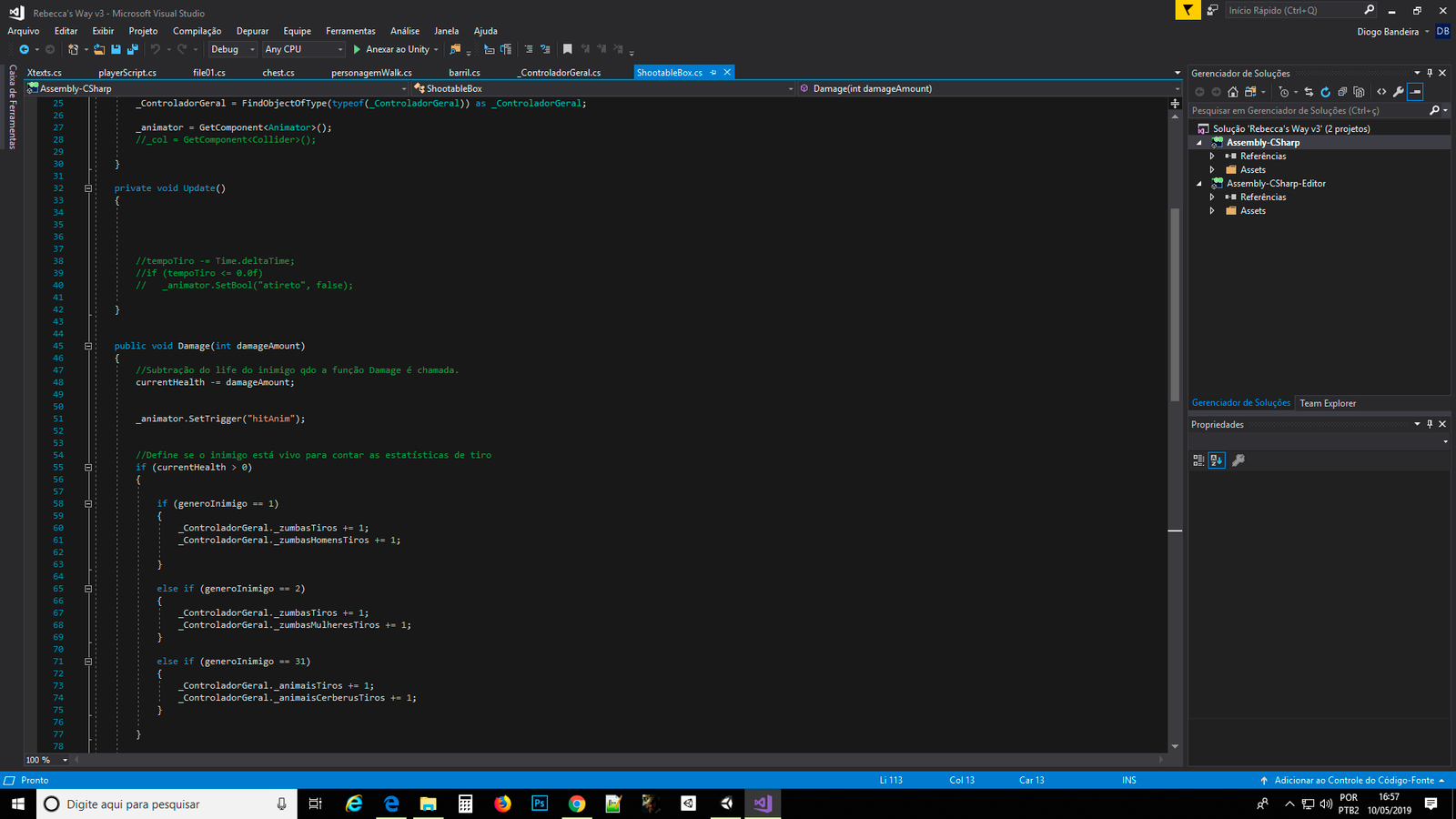
A imagem acima é da tela do VisualBasic que, apesar da minha preferência ser o Monodevelop, o VB é o único que continuou com suporte nativo à Unity nas versões recentes.
E o projeto em questão? Bom, isso será assunto mais pra frente... : )
[511]
[38]